
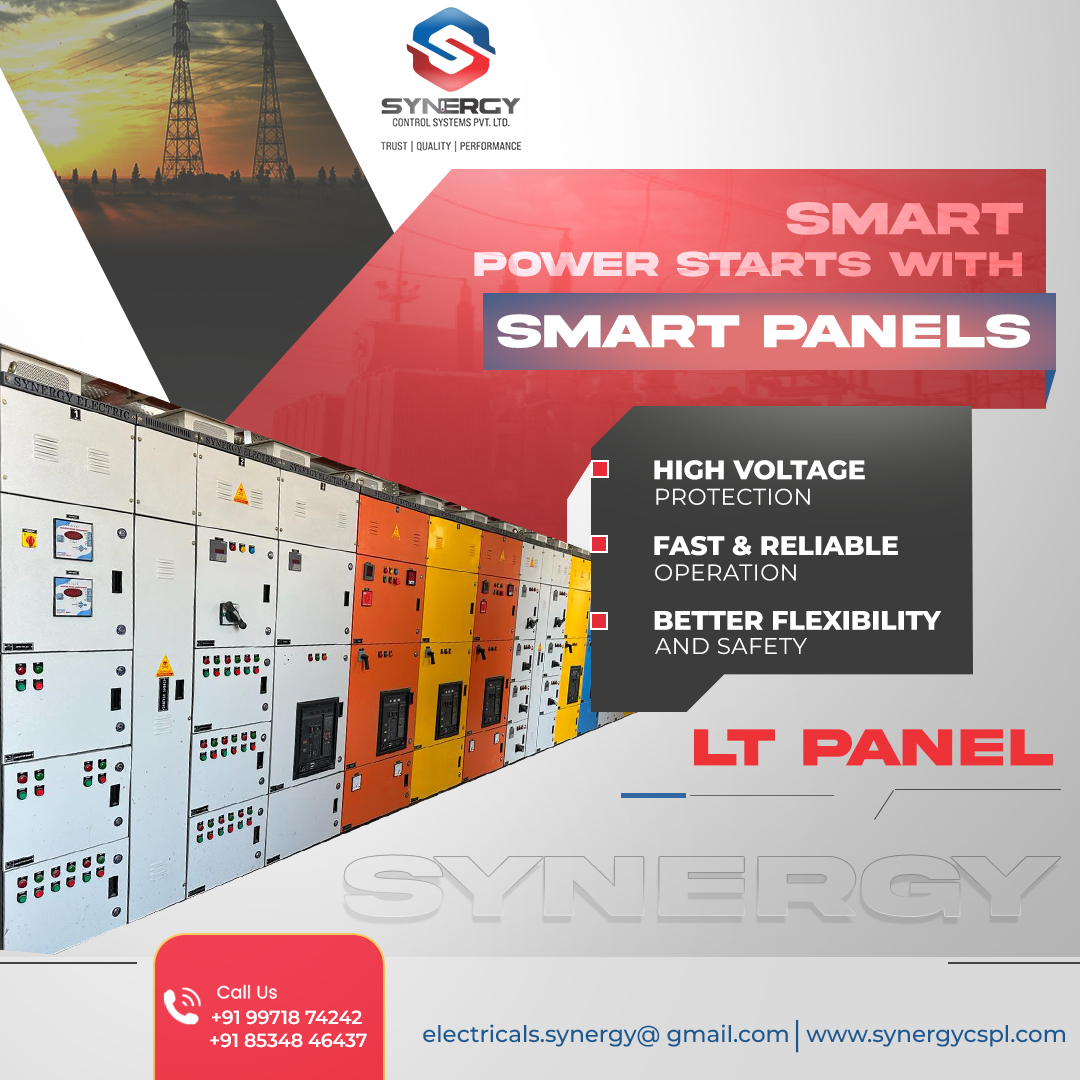
Industries that deal with power distribution understand the importance of having reliable electrical systems. They need electrical systems which can easily handle heavy loads without interruption. That is when the need for trusted LT Panel Manufacturers arises to get high quality LT panels that directly impact the performance, safety and efficiency of an entire facility. A high-quality LT panel is not only a supporting component but it is a must to ensure stable operations. The right panel ensures that every machine, process and system receives consistent power supply while safeguarding productivity and long term performance. Let’s discover a few more reasons why every industry needs a high-quality LT Panel.
Reliable Power Distribution that Supports Continuous Operations
Every industry relies on uninterrupted power to run critical equipment. A high-quality LT panel ensures smooth distribution of electricity across various sections of a facility. When the internal wiring, busbars and components are robust, the chances of voltage fluctuation or overload issues reduce significantly. This stability helps avoid sudden shutdowns and keeps production schedules intact. Our engineering approach focuses on ensuring that the panel can withstand demanding industrial environments, which ultimately leads to improved reliability for the entire plant.
Enhanced Safety that Protects Workers and Infrastructure
Electrical safety is a priority for every organization, and a well-built LT panel plays a major role in ensuring it. Poor quality panels can lead to overheating, short circuits and fire hazards, posing risks to both workers and infrastructure. By using certified components and following rigorous testing standards, high-quality LT Panel Manufacturers create panels that minimize these risks and maintain safer workplaces. A secure LT panel prevents faults before they escalate, and this gives industries greater confidence in their electrical framework. When safety is built into the design, it reflects in long term operational peace of mind.
Energy Efficiency that Reduces Operational Costs
As industries expand and energy consumption rises, the need for efficient systems becomes important. Choosing a high-quality LT panel helps optimize power usage by reducing losses, improving load management and supporting smooth performance of connected equipment. When the system operates efficiently, it automatically leads to reduced energy bills and better utilization of resources. Such low tension panels ensure that power is delivered with maximum efficiency, which benefits both the present workflow as well as future scalability. This makes them a long term investment rather than only a minor purchase.
Customisation that Aligns with Industrial Requirements
Different industries have different electrical needs, and a standard panel does not always meet those requirements. High-quality LT panels allow custom configurations that match specific operational demands. Whether the focus is heavy machinery, automation systems or sensitive equipment, the right panel design ensures seamless compatibility. At present, most manufacturers integrate smart features, advanced protection systems and durable construction to ensure that every panel is suited for the environment it will operate in. This level of customization enhances performance, durability and ease of maintenance, giving industries an electrical system that helps them meet their goals.
Conclusion
A high-quality LT panel brings reliability, safety, efficiency and flexibility together, strengthening the entire power distribution structure of an industry. Choosing the right LT Panel Manufacturers ensure long term value and dependable support. And we at Synergy Control Systems Pvt. Ltd. are one of them offering LT Panels backed by quality and expertise, ensuring that industries receive the best to cater to all their power distribution requirements.